Estate clearance rubbish service Shortlands Bromley
Posted on 27/08/2026
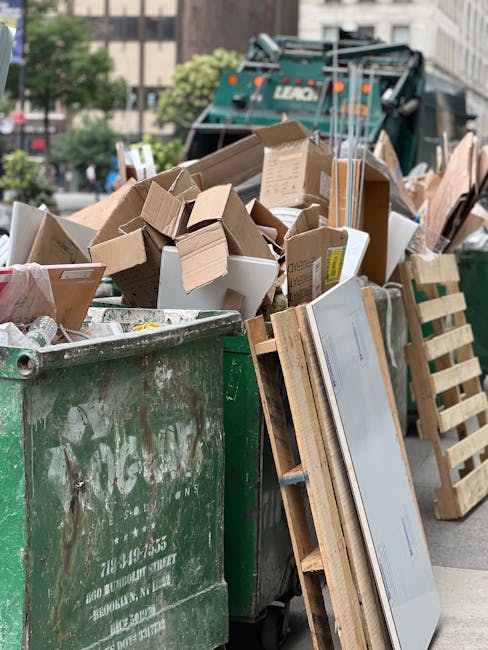
Sorting an estate is rarely just about "getting rid of rubbish". It is usually tied up with a move, a bereavement, a long-awaited property sale, or a home that has simply accumulated too much over time. That is why an Estate clearance rubbish service Shortlands Bromley needs to be handled with care, speed, and a bit of common sense. You want the place cleared properly, but you also want things treated respectfully, safely, and without creating more headaches than you started with.
In Shortlands, where homes can range from compact terraces to larger family properties and inherited estates, clearance work often involves mixed loads, awkward access, and items that cannot just be left for normal collection. This guide walks you through how estate clearance rubbish removal works, what to expect, what to watch out for, and how to make the whole thing feel far less overwhelming. A lot of the stress disappears once the process is clear. Honestly, that first step matters most.
Why Estate clearance rubbish service Shortlands Bromley Matters
Estate clearance is not the same as a quick tidy-up. It tends to involve a full or partial property clear, plus the removal of unwanted furniture, general household waste, white goods, old belongings, and sometimes garden or garage contents. In practice, the job can be emotional, physically demanding, and time-sensitive all at once.
For families dealing with a deceased relative's home, the service matters because it reduces pressure at a difficult time. For sellers, landlords, or executors, it matters because a cleared property is easier to inspect, value, photograph, repair, and market. For anyone handling a long-term hoard or a heavily cluttered house, it matters because the job is usually bigger than a few skip bags and a weekend of energy.
There is also a local practical angle. Shortlands and the wider Bromley area have busy roads, varied property access, and a mix of residential layouts. If you are trying to move bulky items through narrow halls, stairs, or tight driveways, a structured rubbish clearance service is simply easier than wrestling with it yourself. Let's face it, sofas and wardrobes rarely become lighter when you look at them for a second time.
Good estate clearance also helps avoid accidental mistakes. Some items should be separated for reuse or recycling. Others need specialist handling, especially electricals, fridges, paint, or anything potentially hazardous. A proper service should sort that out rather than dump everything together and hope for the best.
If you are also planning broader property work, it can help to look at the wider context too. The local guides on property sales in Bromley and the company's house clearance service both sit neatly alongside estate clearance planning, especially when a property needs to be made market-ready.
How Estate clearance rubbish service Shortlands Bromley Works
Most estate clearance jobs follow a fairly clear pattern, even when the property itself is messy or emotionally difficult to deal with. The details vary, but the shape of the service is usually the same: assess, quote, clear, sort, and dispose responsibly.
First comes the assessment. This may be done from photos, a phone call, or an on-site visit depending on the size of the job and how much access needs to be checked. For larger estates, or places with lofts, basements, garden waste, or multiple outbuildings, a proper look is often the safest approach. You do not want a surprise halfway through the day. Nobody does.
Then the team gives a quote. That quote should ideally be clear about what is included, what counts as extra, and whether specialist items are involved. Estate clearances are often priced differently from a single-item pickup because the labour, sorting, and disposal effort can vary a lot.
On the clearance day, the team removes the agreed items from inside and outside the property. Good operators work carefully around fixtures, flooring, stairs, and door frames. They should also separate useful items for reuse or recycling where possible, rather than treating every object as identical waste.
After that comes the disposal stage. Some items are taken to reuse streams, some to recycling, and some to licensed waste facilities. A trustworthy provider should be able to explain what happens to the waste in plain English. That transparency is one of the clearest signs you are dealing with a professional business.
For anyone comparing service types, the company's services overview and waste carrier licence and compliance information are useful starting points. You are not just buying muscle and a van; you are buying a process that should be lawful, organised, and traceable.
Key Benefits and Practical Advantages
Estate clearance rubbish removal has a few obvious benefits, but the less obvious ones matter just as much. The biggest advantage is time. Clearing an entire property by yourself can drag on for days or weeks, especially when you keep finding more items in cupboards, the loft, or under the stairs. A professional team compresses that into a manageable window.
Another benefit is emotional distance. That might sound a little cold, but it is often helpful. When you are dealing with a family property, every drawer can become a tiny decision. Keep this? Donate that? What on earth do we do with this old filing cabinet? A calm, experienced team can help keep the job moving without turning every decision into a full-stop moment.
There is also the practical safety angle. Heavy lifting, dusty rooms, mouldy contents, old appliances, broken furniture, and loose debris all create risk. Proper clearance teams know how to move bulky items, protect access routes, and avoid unnecessary damage. If a property is awkward, that experience really shows.
And then there is compliance. Waste does not vanish just because it is out of sight. Responsible disposal, correct sorting, and using licensed services all reduce the risk of future problems. If you are clearing a property for sale or inheritance purposes, that reassurance is worth a lot.
Key takeaway: a good estate clearance service should save time, reduce stress, protect the property, and leave you with a cleaner, safer space that is genuinely ready for the next step.
| What you need | Why it matters | What a good service should provide |
|---|---|---|
| Fast turnaround | Moves the property forward quickly | Clear timeframes and efficient loading |
| Respectful handling | Important during bereavement or family sorting | Careful working and clear communication |
| Proper disposal | Reduces legal and environmental risk | Licensed waste handling and sorting |
| Bulky item removal | Furniture and appliances are hard to manage | Manpower, equipment, and safe lifting |
| Transparent pricing | Prevents nasty surprises | Clear quote and itemised expectations |
Who This Is For and When It Makes Sense
This kind of service is not just for one type of customer. In Shortlands, it can make sense for a wide range of people and situations.
- Families handling a bereavement: when a loved one's home needs clearing with dignity and care.
- Executors and solicitors: when a property has to be emptied before sale or handover.
- Homeowners downsizing: when years of furniture and belongings need to be reduced quickly.
- Landlords and letting agents: when a tenancy ends and the property is left with surplus items.
- Buyers and sellers preparing a move: when an inherited or vacant property needs to look presentable.
- People dealing with cluttered homes: when normal collection is nowhere near enough.
It also makes sense when the property has a mix of waste types. You may have old sofas, mattresses, broken shelving, boxes of paperwork, outdated kitchen appliances, and some general rubbish all in one place. That mixed load is exactly where a coordinated clearance service adds value.
Sometimes the property is not "full" in the dramatic sense. It is just messy enough to be annoying. In those cases, clearing a large room, garage, loft, or outbuilding can be enough to unlock the next stage. A quick intervention can save a surprising amount of time later on.
If you are dealing with a partly empty property and need specific items removed, related services like furniture removal, white goods and appliance disposal, or even domestic waste collection may be relevant alongside the main clearance.
Step-by-Step Guidance
- Walk through the property
Make a rough note of what needs to go, what may be kept, and any access issues such as stairs, narrow paths, or parking constraints. - Separate sensitive items
Keep documents, photographs, jewellery, legal papers, and anything clearly personal in one safe place before the clearance begins. - Photograph the rooms
Pictures help with quoting and reduce confusion later. A few quick images are usually enough. - Ask for a clear quote
Check what is included, whether labour and disposal are covered, and if there are any exclusions for hazardous or specialist waste. - Confirm the timing
Make sure the team knows about parking, access codes, keys, or contact arrangements if the property is vacant. - Be present if needed
Some people prefer to be there for the first hour, especially in estate situations. That can be reassuring, though it is not always required. - Watch for sorting and separation
Items should not just be thrown into one pile and forgotten. Good teams will separate reusable and recyclable materials where practical. - Do a final check
Once the clearance is done, review cupboards, loft hatches, sheds, under beds, and behind doors. Small things hide in the oddest places.
One small but useful tip: keep a "decision box" for items you are unsure about. You can come back to it after the main clearance. That tiny bit of structure can stop the whole day from becoming a loop of second-guessing.
Expert Tips for Better Results
From experience, the best estate clearances are the ones where the sorting happens before the van arrives. That does not mean you need to do all the hard work yourself. It just means a little preparation goes a long way.
Start with the high-value or sensitive items. Once those are set aside, the rest of the clearance becomes simpler. Important papers, family keepsakes, and small valuables should never be mixed into general waste. Sounds obvious, but in the rush, it happens.
Check access before the day. If a large vehicle cannot park nearby, or if there are stairs, shared entrances, or restricted access times, mention it early. The more accurate the access detail, the smoother the job will be.
Ask what happens to reusable items. Some furniture may be suitable for reuse, and some electrical items may be recycled separately. If sustainability matters to you, ask for the process. The company's recycling and sustainability approach is a sensible page to review before you book.
Think in zones. Try not to describe the house as one giant problem. Divide it into rooms, outbuildings, and special items. That makes quoting and planning much cleaner.
Keep a realistic schedule. Estate clearance often goes more smoothly when nobody is trying to do too much in one afternoon. There is always one drawer, one cupboard, one attic box that slows things down. Always.
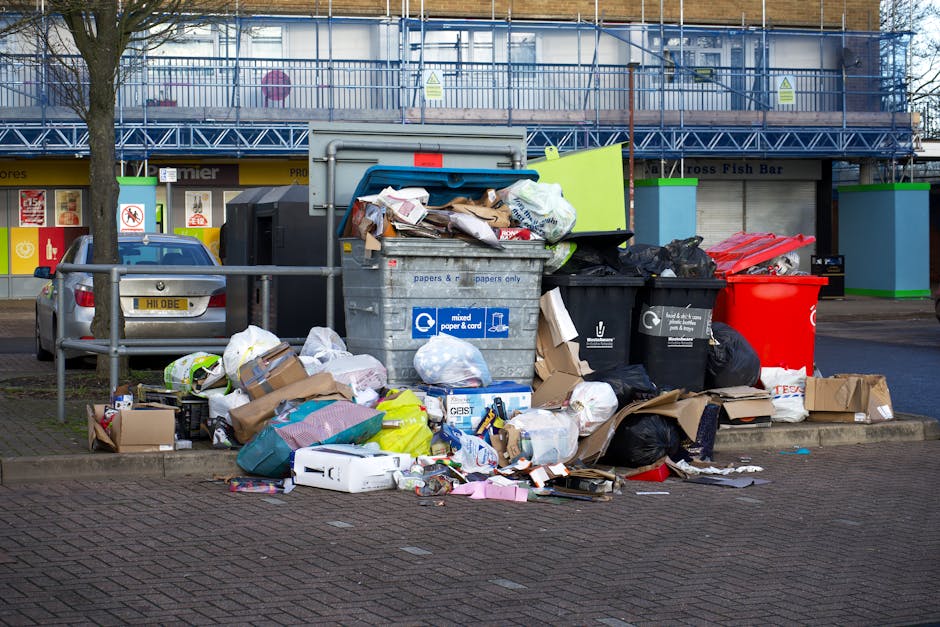
Common Mistakes to Avoid
Most estate clearance problems come down to a few avoidable mistakes. The good news? They are easy to sidestep once you know what they are.
- Leaving everything until the last minute. That usually creates stress, rushed decisions, and unnecessary mistakes.
- Not checking what the quote includes. A low headline price can be misleading if labour, access, or disposal costs are added later.
- Forgetting about paperwork and personal items. Once mixed into rubbish, they can be difficult or impossible to recover.
- Assuming all waste is handled the same way. In reality, mixed rubbish, electrical items, furniture, and special materials may need different handling.
- Choosing solely on price. Cheapest is not always best, especially when the property is sensitive or awkward to clear.
- Ignoring compliance questions. If a company cannot explain its licensing and disposal approach, that is a warning sign.
There is also a quiet one people miss: underestimating emotional fatigue. Estate clearances can be tiring in a way that is hard to explain. You may feel fine for the first thirty minutes, then suddenly every small item becomes a memory. That is normal. Build in breaks, and do not expect yourself to make perfect decisions all day.
Tools, Resources and Recommendations
You do not need a huge toolkit to manage estate clearance well, but a few simple things help more than people expect.
- Sticky labels or marker pens: useful for marking keep, donate, shred, and clear piles.
- Bin bags and boxes: handy for separating paperwork, small household items, and loose bits.
- Protective gloves: useful if you are sorting dusty lofts, garages, or sheds.
- Phone camera: take room photos and record anything that needs a second opinion.
- Notebook or checklist: helps you avoid rechecking the same room three times.
On the service side, a few local pages can help you understand what sits around the main clearance work. The about us page is useful if you want to understand the business behind the service, while pricing and quotes can help you approach the budget side with more confidence. If payment concerns are on your mind, payment and security is also worth a look.
For broader local context, the company's own articles on hiring a trustworthy waste management company and smart real estate in Bromley are both relevant if you are planning a clearance alongside a move or sale. They are not flashy reads, but they are practical, which is what matters here.
Law, Compliance, Standards, or Best Practice
Estate clearance is one of those services where trust really matters. You are letting people into a property, often one that contains a mix of personal belongings, household waste, and potentially items that need special handling. So compliance is not a box-ticking exercise; it is part of the service.
In the UK, waste should be handled through appropriate, lawful channels. A proper clearance company should be able to show that it operates as a licensed waste carrier and follows sensible disposal practices. That matters because if waste is fly-tipped or passed to the wrong handler, the problem can travel back down the chain. You do not want that sort of headache, frankly.
Insurance and safety also matter. Good practice includes safe lifting, appropriate equipment, and proper care inside the property. If the clearance involves stairs, heavy furniture, broken items, or damp spaces, the team should work in a way that reduces risk to both people and property. You can read more on the company's insurance and safety page if you want that reassurance before booking.
If there is any sign of specialist waste, such as appliances, paint, or materials that may require extra care, ask about it before the visit. It is always better to mention the awkward bits early. A little honesty saves a lot of apologising later.
One more point worth mentioning: clear terms and conditions help everyone. They set expectations around access, payment, cancellations, scope, and what happens if the job changes on site. The company's terms and conditions are there for exactly that reason.
Options, Methods, or Comparison Table
If you are deciding how to handle an estate clearance in Shortlands, you usually have three broad options: do it yourself, use a skip, or book a professional clearance service. Each has its place, but they are not equal in every situation.
| Option | Best for | Pros | Drawbacks |
|---|---|---|---|
| DIY clearance | Small, simple jobs with plenty of time | Full control, lower direct cost | Physically demanding, time-heavy, disposal hassle |
| Skip hire | Large amounts of mixed waste from one location | Good for ongoing loading over several days | Needs space, permits may be needed, no lifting help |
| Professional estate clearance | Inherited homes, time-sensitive sales, bulky mixed items | Fast, efficient, safer, less stress | Usually more expensive than doing it yourself |
For many families, the professional route wins because it solves more than one problem at once. If the house has furniture, appliances, random rubbish, and items to sort, a team can move through the whole place in a single visit or two. That can be a huge relief during an already complicated week.
Case Study or Real-World Example
Here is a realistic example. A family in Shortlands needed to prepare a two-bedroom property after an elderly relative moved into care. The house was not packed floor to ceiling, but there was a lot to handle: a wardrobe that had to come apart, a spare room full of boxes, old kitchen items, a broken freezer in the outbuilding, and a garage with decades of "useful things" that were no longer useful at all.
They started by setting aside documents, photos, and a few sentimental items. Everything else was grouped by room. Once the quote was agreed, the clearance team arrived with enough people to handle the bulky furniture safely. The work was completed in stages: interior rooms first, then the garage, then the outdoor items. A few pieces were separated for reuse, and the rest were processed through appropriate disposal channels.
What did the family say mattered most? Not just the speed. It was the sense that the property was treated properly. No dragging heavy furniture across floors, no guessing where things should go, and no messy aftermath. By the afternoon, the place felt lighter. Quieter too, if that makes sense. A cleared room has a kind of echo to it.
This is the kind of result people are usually looking for, even if they do not say it out loud at first. They want progress, but they also want peace of mind.
Practical Checklist
Use this simple checklist before booking or on the day of clearance.
- Confirm which rooms, outbuildings, and garden areas are included.
- Set aside legal papers, personal documents, valuables, and photos.
- Take a few clear photos of the property and bulky items.
- Ask what happens to furniture, appliances, and reusable goods.
- Check whether access, parking, or lift use may affect the visit.
- Make sure the quote is clear about labour and disposal.
- Ask about licensing, insurance, and safe handling practices.
- Decide whether you want to be present during part or all of the clearance.
- Prepare keys, gate codes, alarm details, or neighbour instructions if needed.
- Do one final sweep of cupboards, loft spaces, and hidden corners.
Get a free quote today and see how much you can save.
Conclusion
An estate clearance is often more than a practical job. It can be the bridge between one chapter and the next, whether that means preparing a home for sale, handling a loved one's belongings with care, or finally reclaiming a property that has become too full to manage alone. A reliable Estate clearance rubbish service Shortlands Bromley should make that process simpler, safer, and less draining.
If you take away one thing, let it be this: clarity helps. Clear scope, clear pricing, clear handling, clear disposal. When those pieces are in place, the whole job becomes more manageable and far less stressful. And if you are still staring at a house full of mixed items wondering where to begin, that is completely normal. Start small. One room, one decision, one step at a time.
There is a real comfort in seeing a property breathe again. Sometimes that is the difference between feeling stuck and feeling ready.