







10/10/2026
If you have ever booked a clearance and then felt your stomach drop at the final bill, you are...
Rubbish Clearance Bromley provides a straightforward local waste removal service in Bromley for people who need bulky items, general rubbish or mixed waste collected without delay or disruption. We handle a practical range of clearances, from household items and garden waste to commercial waste and builders’ debris, with a focus on sensible loading, lawful disposal and clear communication about the work involved.
Our service is designed for customers who want a simple way to clear space, dispose of unwanted items responsibly and keep the process organised from start to finish. Whether the job is a one-off uplift or part of a larger clearance, the work is planned around the material type, access and disposal requirements rather than a one-size-fits-all approach.
To see how the main service is organised, you can review the services overview and then choose the most relevant clearance type for your needs. If you already know what needs removing, you can request a quotation once the scope is clear and keep the next step simple.
Domestic collections are a practical option when general rubbish, broken household items or accumulated clutter needs removing in an orderly way. The work may include bagged waste, furniture, old storage items, worn household goods and other non-hazardous items that are awkward to move or unsuitable for normal bin collections. A well-planned domestic clearance usually starts with understanding what is staying, what is leaving and whether any items need careful handling.
For mixed household work, the most useful preparation is a clear list of items, access details and any constraints such as stairs, narrow hallways or timed entry. If you are clearing multiple rooms, it can help to separate reusable, recyclable and disposal-only items before collection day. That makes it easier to choose the right service and helps reduce avoidable confusion when the team arrives.
Bulky domestic items often need more than simple loading space. Sofas, wardrobes, tables, beds, mattresses and white goods can require planning for safe lifting and route access, especially where door widths or shared entrances matter. For this sort of work, our furniture removal and appliance disposal pages explain the service types in more detail, while the main job remains the same: removing items carefully and sending them into the correct waste stream where possible.
Garden waste clearance is suited to cuttings, branches, grass, soil in manageable quantities, hedge trimmings and outdoor debris that has built up after maintenance or landscaping. It is also useful when old planters, broken fencing pieces, damaged outdoor furniture or mixed patio waste need taking away. Because garden waste can vary from light green material to heavier mixed debris, the approach is often shaped by weight, volume and how the material is stored.
When outdoor waste is being removed, it helps to keep green waste separate from household rubbish where that is practical. Doing so can make sorting easier and supports cleaner handling of different material types. If the pile includes mixed items, it is sensible to mention that in advance so the collection can be planned properly rather than treated as a standard garden tidy-up. Clear descriptions save time and help keep the job efficient.
Some outdoor jobs are mainly about green waste, while others include timber, old garden structures or general junk left in sheds, paths or side returns. The relevant service page can help customers compare what is best for the material involved, including garden waste removal where the focus is on plant material and outdoor organic debris. For mixed outdoor clearances, it is often better to describe the whole load rather than only the most obvious item type, because that gives a more accurate basis for arranging collection.
Builders waste removal is aimed at debris left after construction, refurbishment or light demolition work. Typical material can include offcuts, packaging, broken fixtures, plasterboard, timber, bricks, rubble, tiles and mixed renovation waste. This kind of clearance is usually best handled with an understanding of load type, access to the site and whether the material is cleanly separated or mixed with other refuse. The goal is to remove waste quickly while keeping the work properly sorted.
For ongoing projects, it can help to schedule removals around the pace of the build rather than waiting until the end. That approach keeps work areas safer and often makes the site easier to manage. It also helps if the customer can identify whether heavy inert waste, light mixed waste or awkward longer items are involved, because each affects handling and loading in a different way. Good planning matters more than simply estimating the size of the pile.
Where renovation waste is mixed, it may contain a combination of materials that cannot all be handled in the same way. That is why clear descriptions are useful, particularly if there are sharp offcuts, dusty materials or items that need separating before disposal. You can read more on the dedicated builders waste removal page if you are comparing job types, while the service itself stays focused on removing the load and making sure it is dealt with responsibly.
Bromley is a large town in south-east London and the administrative centre of the London Borough of Bromley, one of the capital’s biggest boroughs by area. Its town centre developed from a historic market settlement, and traces of older growth can still be sensed in the way shopping streets, civic buildings and residential roads meet across the centre. The area is closely associated with Bromley South and Bromley North stations, which connect the town into wider rail and bus networks, while the surrounding borough stretches from suburban neighbourhoods and open commons to more rural edges in the south. Church architecture and parish history form part of the town’s older identity, with St Peter and St Paul Church standing as one of the most visible historic landmarks near the centre. The town also has a long commercial character, reflected in retail streets, office uses and a traditional market-town feel that has adapted over time to modern development. Public spaces such as Queens Gardens and nearby open land offer green relief within the urban area, while larger parks in the borough, including Crystal Palace Park to the west of the town centre boundary and the country-style landscapes farther south, show how varied the district is. Bromley’s cultural life is also shaped by theatres, cinemas, local leisure facilities and a steady mix of residential and business activity, giving the town a role that is both local and regional. Its built environment ranges from older suburban villas and interwar housing to later commercial blocks and redevelopment around transport and retail corridors, so the place has a layered appearance rather than a single uniform style.
Commercial waste clearance often needs a careful approach when offices, shops, storage rooms or shared workspaces generate mixed rubbish. That can include packaging, broken fixtures, redundant furniture, archived paper, display items and general junk that has accumulated out of sight. For this type of work, our commercial waste removal commercial waste removal service is aimed at practical loading and lawful disposal, with the collection shaped around the material rather than a rigid category. Businesses usually benefit from preparing a brief inventory of what is leaving, which entrance can be used and whether the rubbish is stored on one floor or spread across several rooms. If items are awkward, heavy or mixed with reusable stock, it is worth separating what can stay from what must go so the collection can be organised without unnecessary delay. Simple preparation often makes the removal more efficient. Our pricing is best considered against the type and volume of waste, the ease of access and the amount of labour involved, so the most accurate next step is to ask for a quotation based on the actual load.
When you are ready to move from planning to action, compare the relevant service pages and choose the collection that matches the material in front of you. The pricing and quotes page explains how estimates are approached, while the rest of the site helps you match the right service to household, outdoor, trade or bulky-item waste. If you want to discuss the job in more detail, send the key information and ask for a quotation today.
Furniture removal is useful when a property contains large items that are too heavy, too awkward or too old to manage through regular disposal routes. Common examples include sofas, armchairs, tables, wardrobes, shelving, beds and mattresses. The service is particularly relevant when several bulky pieces need removing together, because the collection can be organised around lifting routes, item sizes and how much space the load will occupy. That keeps the process more orderly than trying to move everything in stages without a plan.
Bulky item work often involves more than strength alone. Items may need dismantling, carrying through tight hallways or taking from upstairs rooms, and the collection has to respect the condition of floors, walls and shared spaces. It is sensible to state in advance whether items can be taken apart, whether they are still in usable condition and whether there are any access restrictions. For customers comparing options, the furniture removal page is the most direct place to review this service type.
Appliances bring their own handling requirements because fridges, freezers, washing machines, dishwashers and cookers are heavy and may contain components that need careful treatment. The dedicated white goods and appliance disposal service is designed for that kind of item, especially where electrical units or kitchen appliances are being replaced. Letting us know the appliance type and where it is located helps make the collection more accurate, and it also avoids confusion where appliance removal is being combined with general household clearance.
A quotation is usually easiest to prepare when the type of waste, the approximate volume and the collection location are described clearly. Photographs can help, but a plain written summary is also useful if images are not available. If the job includes multiple categories, such as furniture with garden waste or builders debris with household clutter, it is better to mention the full mix rather than the single largest item. Accuracy at this stage helps the final arrangement make sense.
Access details also matter because items on upper floors, behind locked gates or in awkward storage areas can affect the time and labour involved. If you know which room or outdoor spot the waste is in, include that along with any time limits or special entry requirements. There is no need to overcomplicate the enquiry: a short description of the waste, where it is located and when it is available for collection is often enough to start. The same approach works for domestic, commercial and trade waste.
Costs are generally shaped by the amount of waste, the type of material, whether it is mixed, and how easy it is to access and remove. A small load of light household rubbish may be simpler than a bulky mixed clearance with heavy items, and that difference affects the work involved. The most helpful thing a customer can do is describe the actual contents honestly, since the load type influences both labour and disposal route. Once the scope is clear, the quotation can reflect the job rather than a rough guess.
House clearance is often the right choice when a whole property or several rooms need clearing in a more structured way than ordinary rubbish collection. It may include furniture, ornaments, general household contents, white goods, storage items and miscellaneous clutter that has built up over time. The service is especially useful when the aim is to empty rooms for sale, letting, refurbishment or a practical reset of the space. Each clearance is different, so the load should be described in relation to the rooms and items involved rather than treated as a single standard category.
For mixed property jobs, it is sensible to identify anything that should stay, any items that need special handling and whether the clearance includes lofts, garages, sheds or outbuildings. A simple room-by-room summary can be more helpful than a long explanation, especially if different parts of the property contain different kinds of waste. Customers comparing service options can look at the house clearance page for a focused overview of that work.
Not every job is a full house clearance. Sometimes the need is simply to remove a handful of bags, a few awkward items or a load that does not fit into normal bin routines. The domestic waste collection service is designed for that lighter but still practical work, and it can be a better fit where the waste is varied but not extensive. For customers who want to compare domestic rubbish with furniture or appliance removal, the different service pages make it easier to choose the most suitable option without over-ordering the job.
Responsible disposal matters because mixed rubbish is not all the same. Some items can be sorted for reuse or recycling, while others need to move through standard disposal routes. The aim is to deal with the waste lawfully and sensibly, with handling that reflects the material rather than treating every item alike. Where relevant, customers may want to understand how different waste streams are approached so they can choose the right service for the job. The recycling and sustainability page gives further context on that part of the service approach.
It is also useful to know that correct disposal starts before collection, not after it. Separating items that are reusable, recyclable or clearly rubbish can help the work go more smoothly, especially on larger clearances. For some customers, the main concern is simply getting the items removed; for others, the handling route matters too. Either way, clarity about the load improves the result. If you want a straightforward way to begin, gather the key details and then ask for a quotation.
Waste handling should be safe and properly managed, especially where heavier items, awkward access or mixed materials are involved. Relevant operational information includes the usual safety approach, payment methods and compliance details, which can be checked on the site where needed. The most useful pages for that are the insurance and safety, payment and security and waste carrier licence and compliance pages. Together they help customers understand the practical side of arranging collection, paying for the service and knowing the waste is handled through the appropriate channels.
If you need rubbish removal in Bromley for a home, garden, business or renovation project, start by choosing the service that best matches the waste type and then describe the load clearly. A short summary, a note on access and any helpful pictures are usually enough to move things forward. You do not need to overstate the job; the more plainly the waste is described, the easier it is to organise a sensible collection.
Where a property has several kinds of waste at once, one enquiry can still cover the full job as long as the contents are explained properly. That includes furniture, appliances, outdoor waste, commercial rubbish and builders debris when they form part of the same clearance. The service pages provide a practical way to compare those options, while the quotation process remains focused on the actual work needed.
To take the next step, ask for a quotation today and include the key details of the collection. If you want to make contact directly through the website, use the contact us page and send your enquiry when you are ready.
Rubbish Clearance Bromley offers domestic, commercial, garden, builders and furniture clearance services in Bromley, with clear pricing and quotation enquiries available online.
If you have ever booked a clearance and then felt your stomach drop at the final bill, you are...
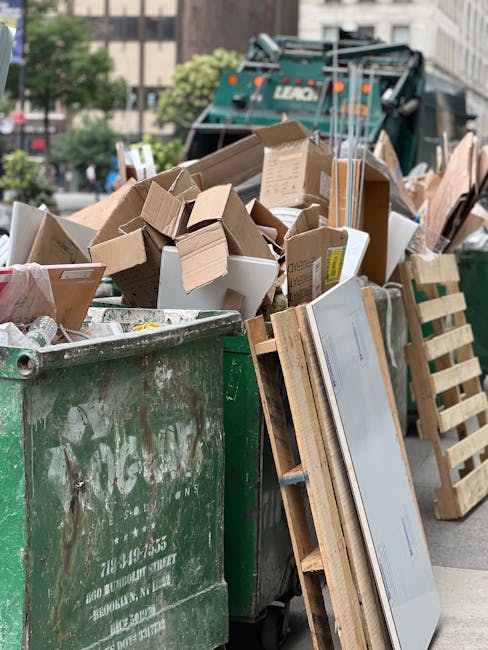
Sorting an estate is rarely just about "getting rid of rubbish". It is usually tied up with a...
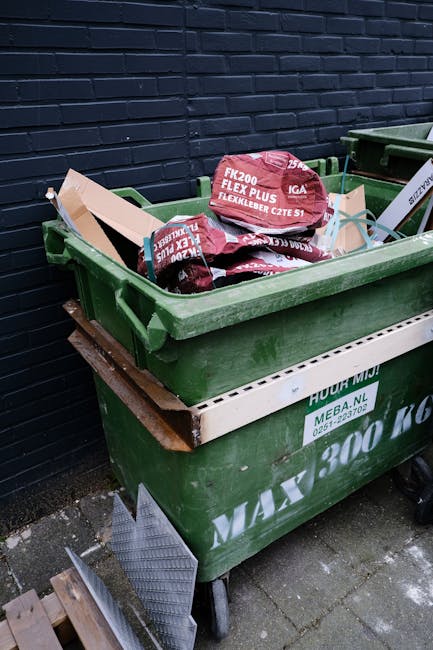
If you're looking for BR1 cheap rubbish collection Bromley town centre, you're probably after...

If you need same day rubbish clearance The Glades Bromley, you are probably dealing with one of...
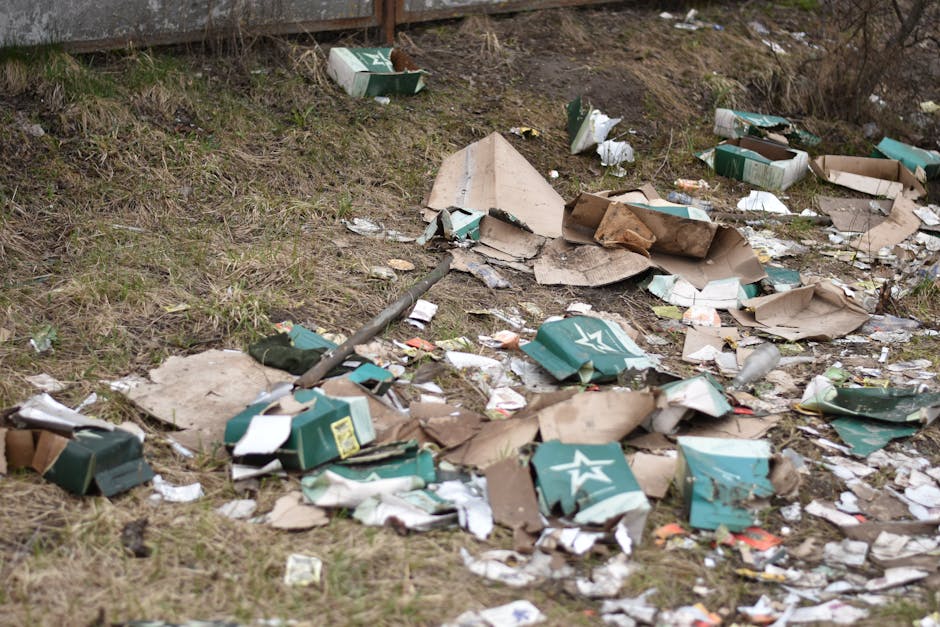
If you are trying to clear clutter fast without paying over the odds, affordable rubbish removal...

Bromley, located in the heart of the United Kingdom, has rapidly gained a reputation for its...

Welcome to our comprehensive guide on smart real estate in Bromley.

Bromley, located in the southeastern part of London, is often touted as an ideal place for...

Nestled in the heart of England's picturesque county of Kent, the charming town of Bromley has...

Navigating the property sales process in Bromley can be both exciting and daunting. As one of...

In today's world, proper waste management has become a crucial aspect for individuals and...

 (77)
(77)
Please fill out the form below to send us an email and we will get back to you as soon as possible.